
What Is a Leather Cabinet?
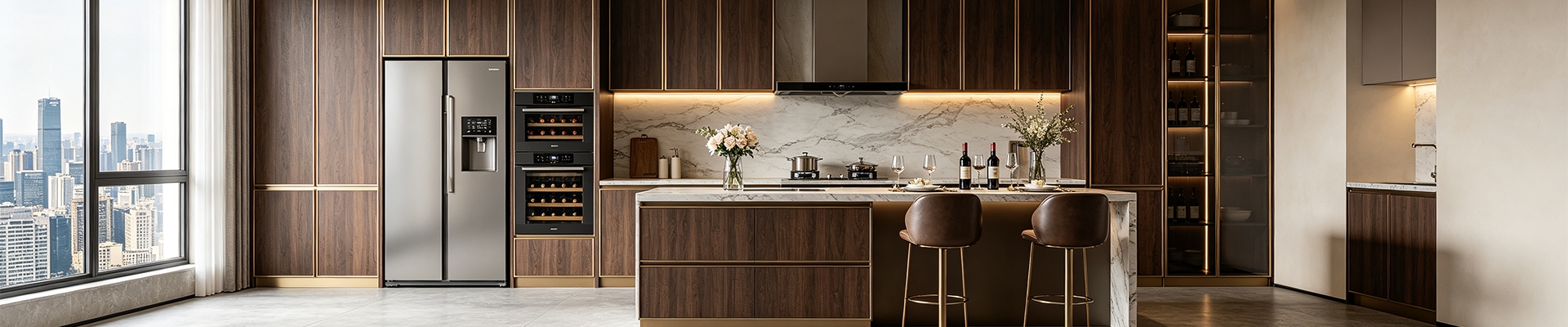
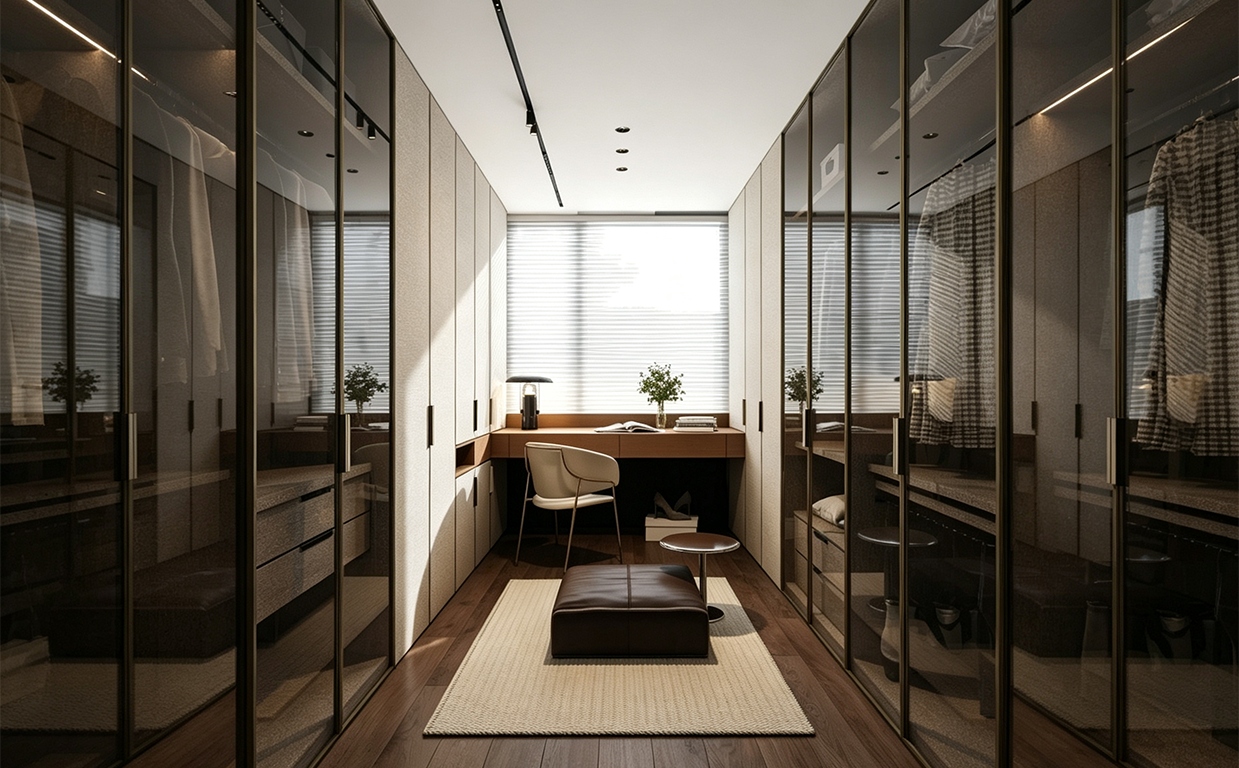
A leather cabinet typically combines a structural cabinet body with leather-covered or leather-finished decorative surfaces. Depending on the design, leather can be applied to cabinet doors, drawer fronts, side panels, handles, or selected decorative areas.
Rather than replacing traditional cabinet materials completely, leather is often combined with wood, metal, glass, stone, or other finishes. This allows designers to create visual contrast while maintaining the functionality required for everyday use.
Leather finishes can be incorporated into different types of custom cabinetry, including:
- Kitchen cabinets
- Wardrobes and closets
- Wine cabinets
- Display cabinets
- TV and living room cabinets
- Bedroom storage
- Home office cabinetry
- Custom furniture systems
Why Use Leather in Custom Cabinetry?
1. Distinctive Texture and Visual Depth
One of the main advantages of leather is its texture. Compared with conventional painted or laminated surfaces, leather can introduce additional depth and tactile detail to cabinetry.
This makes it particularly suitable for interiors where material quality and visual differentiation are important.
2. Suitable for Luxury Interior Concepts
Leather has long been associated with furniture, automotive interiors, fashion, and other premium applications. When incorporated appropriately into cabinetry, it can help create a refined and coordinated interior language.
For villas, luxury apartments, hotels, and other high-end projects, leather cabinetry can become part of a broader material palette rather than functioning as an isolated decorative element.
3. Flexible Design Possibilities
Custom leather cabinetry provides designers with considerable flexibility. Different leather textures, colors, stitching details, hardware, cabinet structures, and complementary materials can be combined according to the project concept.
For B2B projects, this flexibility is particularly useful because cabinetry often needs to follow specific architectural dimensions and interior design requirements.
Leather Cabinets vs. Conventional Cabinet Finishes
Traditional cabinetry may use wood veneer, lacquer, laminate, glass, metal, or stone-effect finishes. Each material serves a different design purpose.
Leather should therefore not necessarily be considered a replacement for these materials. Instead, it can be used as an additional design option.
For example, leather can create a softer and more tactile surface, while metal details can provide contrast and structural definition. Wood can introduce natural warmth, while glass can increase visual openness.
Combining several materials allows custom cabinet manufacturers and interior designers to develop more distinctive solutions for individual projects.
Where Can Leather Cabinetry Be Used?
Leather finishes can be adapted to different residential and commercial environments.
In residential projects, they may be used in wardrobes, living room cabinets, bedroom furniture, wine cabinets, and selected kitchen areas.
In commercial and hospitality environments, leather cabinetry can also be considered for hotel suites, lounges, reception areas, private clubs, showrooms, and other premium interior spaces.
The appropriate application depends on the required functionality, environmental conditions, design concept, and maintenance expectations.
Custom Leather Cabinetry for B2B Projects
For architects, interior designers, developers, distributors, and contractors, customization is often more important than choosing a standard cabinet model.
A custom cabinetry project may involve decisions regarding:
- Dimensions and layout
- Cabinet structure
- Leather type and finish
- Color selection
- Hardware
- Internal storage configuration
- Lighting
- Decorative materials
- Installation requirements
- Packaging and shipping
Working with a custom cabinet manufacturer allows these elements to be coordinated according to the requirements of the overall project.
Choosing the Right Leather Cabinet Manufacturer
For overseas B2B buyers, appearance is only one part of the purchasing decision. Manufacturing capability, material consistency, customization flexibility, quality control, packaging, and project coordination should also be evaluated.
Before selecting a supplier, buyers can review material samples, previous projects, production capabilities, customization options, quality standards, and export experience.
For customized projects, providing drawings, dimensions, material preferences, quantities, and project requirements at an early stage can also help manufacturers prepare a more accurate proposal.
Conclusion
Leather brings a distinctive combination of texture, craftsmanship, and customization possibilities to modern cabinetry. When used together with wood, metal, glass, and other materials, it can support a wide range of luxury interior concepts.
For designers, contractors, developers, and distributors looking for differentiated cabinetry solutions, custom leather cabinets provide another material direction for creating project-specific interiors.